2026 How to Choose a Fire Sprinkler System?
Choosing a Fire Sprinkler System in 2026 is not simply a matter of selecting pipes and sprinkler heads. It is a risk decision shaped by building use, fire load, water supply, occupancy, climate, maintenance access, and future changes. A warehouse storing plastic goods needs different protection from a small hotel, restaurant, or data center. The details matter.
Robert Solomon, a former NFPA director of building fire protection and fire protection systems, explained, “Sprinklers are designed to control a fire, not necessarily extinguish it.” This practical point is easy to miss. A properly designed system can slow fire growth, protect escape routes, and give emergency responders valuable time. It cannot replace alarms, staff training, clear exits, or responsible maintenance.
Start with the hazard, not the product brochure. Check the building’s structure, ceiling height, storage arrangement, available water pressure, and possible freezing conditions. Then compare wet pipe, dry pipe, pre-action, and deluge systems with a qualified fire protection engineer. Local codes and recognized standards must guide the final design. A cheap installation can become expensive when inspections reveal weak water flow, blocked heads, corrosion, or poor records.
No checklist is perfect. Real buildings change. Tenants add shelves, equipment, and combustible materials. That is where many plans become outdated. This guide examines the questions that deserve careful attention in 2026, including system selection, design quality, smart monitoring, lifecycle cost, inspection routines, and supplier credibility. The safest choice is rarely the fastest quote.
Fire Sprinkler System Basics and Core Components
Fire sprinkler systems begin with a dependable water source, not attractive ceiling fittings. A complete arrangement includes a supply connection, control valves, riser, distribution pipes, sprinkler heads, alarms, and test drains. Wet-pipe systems hold pressurized water in the pipes. Dry-pipe systems use air where freezing is possible. Preaction systems add detection controls for sensitive spaces.
Choosing the right arrangement requires a hazard assessment. Storage height, ceiling structure, occupancy, temperature, and water pressure all affect the design. A qualified fire protection engineer should complete hydraulic calculations and verify local requirements.
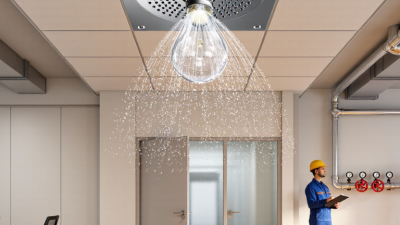
Sprinkler temperature ratings matter. A head above a kitchen may need a higher rating than one in an office. Obstructions, lighting tracks, beams, or suspended ceilings can block the spray pattern. Details matter.
In practical inspections, closed valves and painted sprinkler heads appear more often than expected. They can quietly reduce protection. Keep valves accessible. Label them clearly, and test alarms, waterflow devices, and pumps on a documented schedule.
Corrosion, leaks, and damaged pipes need prompt evaluation. I have learned that a tidy installation can still be poorly balanced hydraulically. That is an uncomfortable reminder.
Selection should consider future renovations, maintenance access, and emergency water demand, not only initial cost. Leave clearance below each head. Never hang equipment from the piping.
How to Assess Building Hazards and Protection Requirements
2026 How to Choose a Fire Sprinkler System?
How to Assess Building Hazards and Protection Requirements
Choosing a fire sprinkler system starts with the building’s actual hazards, not its floor area alone. Review occupancy, ceiling height, storage arrangement, ignition sources, and expected fire growth. A quiet office and a high-piled warehouse need very different protection. Examine construction materials, ventilation, heating equipment, and electrical rooms. The building’s future use also matters. A storage room may become a workshop later.
Qualified fire protection professionals should compare these conditions with current standards and local authority requirements. They should calculate water demand, available pressure, pipe capacity, sprinkler spacing, and discharge density. A reliable assessment includes site measurements, hydraulic calculations, and documented maintenance access. Do not select equipment from a drawing alone. Small details matter, such as blocked aisles, concealed ceiling spaces, or cold areas that may freeze. One common mistake is trusting the original occupancy description too much. Buildings change. Assessments must change with them.
Tips: Walk through the building during normal operations. Photograph unusual storage conditions. Ask staff what changes seasonally. Check water supplies under realistic demand, not ideal assumptions. Leave access around control valves and test connections. Review the design with the local authority before installation. Even experienced teams can miss a hidden hazard, so independent review is worthwhile.
How to Compare Sprinkler System Types and Design Options
How to Choose a Fire Sprinkler System in 2026?
Choosing a fire sprinkler system means comparing risk, not copying a familiar layout. The National Fire Protection Association estimated 1,388,500 U.S. fires in 2023. Property damage reached approximately $22.4 billion (NFPA, Fire Loss in the United States During 2023). These figures cannot select a system alone. They show why contents, storage height, temperature, and response time matter.
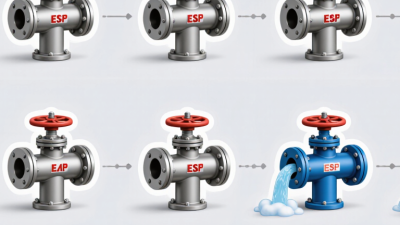
Wet-pipe systems usually provide the simplest response in heated buildings. Dry-pipe systems use pressurized air for freezing areas, such as loading docks or unheated garages. Preaction systems require detection before water enters the piping. They can suit sensitive rooms. Deluge systems release water through open outlets after detection. They fit high-challenge hazards but require strong drainage capacity.
These systems are not interchangeable. A wrong assumption about freezing or fuel load can weaken a careful design.
Compare design options through hydraulic calculations, not sprinkler head counts. The 2025 edition of NFPA 13 considers hazard classification, storage arrangement, spacing, obstructions, and water supply. The NFPA Fire Protection Research Foundation also highlights the importance of reliable water delivery and system performance.
Ask the designer to show the hydraulically remote area on drawings. Ask what happens during pump failure. A low-cost layout may become expensive later. That deserves questioning.
How to Select Suitable Sprinkler Heads, Pipes, and Controls
2026 How to Choose a Fire Sprinkler System?
How to Select Suitable Sprinkler Heads, Pipes, and Controls
Choose sprinkler heads from the hazard, ceiling height, storage arrangement, and expected fire temperature. Light-hazard offices may need different response characteristics than warehouses with stacked plastics. Check the required K-factor, temperature rating, coverage area, and installation position. Concealed spaces, beams, and obstructions can change the design. A head that looks suitable may still discharge poorly.
Pipe selection depends on hydraulic calculations, water supply, corrosion risk, and site conditions. Steel, plastic, or other approved materials must match the occupancy and applicable local codes. Pipe diameter should support required flow and pressure at the most demanding area. Smaller pipes may reduce cost, but they can create unacceptable pressure loss. Clean interiors matter. Sediment can restrict water movement.
Controls should include an alarm valve, waterflow detection, supervisory monitoring, test connections, and accessible isolation points. The system should show whether a valve is closed or water is moving. Coordinate these signals with the building alarm system and emergency procedures. Local authorities and qualified fire protection engineers should review the final design. Requirements vary by jurisdiction. A practical review should also consider maintenance access, freezing conditions, corrosion, and future renovations. I have seen plans focus heavily on head spacing while overlooking valve access. That mistake is easy to repeat. Good selection requires checking the whole system, not just individual components.
How to Verify Compliance, Installation Quality, and Maintenance Needs
2026 How to Choose a Fire Sprinkler System?
Compliance begins with documents, not attractive pipework.
Check the design against NFPA 13, including hazard classification, water demand, spacing, and obstruction rules. Request hydraulic calculations, approved component records, water-supply tests, and signed acceptance results.
NFPA’s U.S. Experience with Sprinklers report found that sprinklers operated in 92% of reported structure fires large enough to activate them. They were effective in 97% of those fires. Performance depends on correct design and access.
Look closely at installation quality.
Sprinkler heads should sit level, remain unobstructed, and match the approved layout. Pipe supports must feel secure, while control valves should be open, locked, and supervised. A small storage rack can block discharge patterns. A dusty alarm valve can delay attention.
Paperwork is not proof. An on-site review should include main-drain tests, alarm tests, flushing records, and photographs behind ceilings. One weak point remains: visual checks can miss hidden corrosion or an incorrectly sized water supply.
Maintenance needs should be visible before purchase.
NFPA 25 requires scheduled inspection, testing, and maintenance, but exact intervals vary by system type and site conditions. Confirm who will test alarms, document valve positions, investigate pressure changes, and manage impairments.
Keep current records beside the riser, not in an unknown office. My earlier assumption was too simple: newer equipment is not automatically safer. A competent inspection can reveal poor access, missing labels, or a valve nobody can reach. That uncomfortable detail matters.