A shopper may pass a familiar product several times before noticing it. A Point Of Purchase Display Rack can bring selected items into clearer view near a checkout, aisle end, or product category. Its purpose is practical: organize merchandise, make key features easier to see, and encourage shoppers to consider a purchase. It is not a magic sales tool. Placement, product fit, and store traffic all matter.
The right rack should suit both the merchandise and the space. A compact countertop unit might hold small packaged goods, while a freestanding rack can present larger items without blocking the aisle. Clear labels, stable construction, and shelves that are easy to restock help keep the display useful throughout a busy day. These details are easy to overlook. They shouldn’t be.
Retailers can assess performance by observing whether shoppers pause, interact with products, or leave the display untidy. Comparing results before and after a placement change may offer useful evidence, though seasonal demand and promotions can also affect sales. No single design works everywhere. A rack that looks effective in a spacious shop may feel crowded in a narrow one. Treat the display as a practical test: choose a clear location, keep products accessible, and adjust based on what customers actually do.
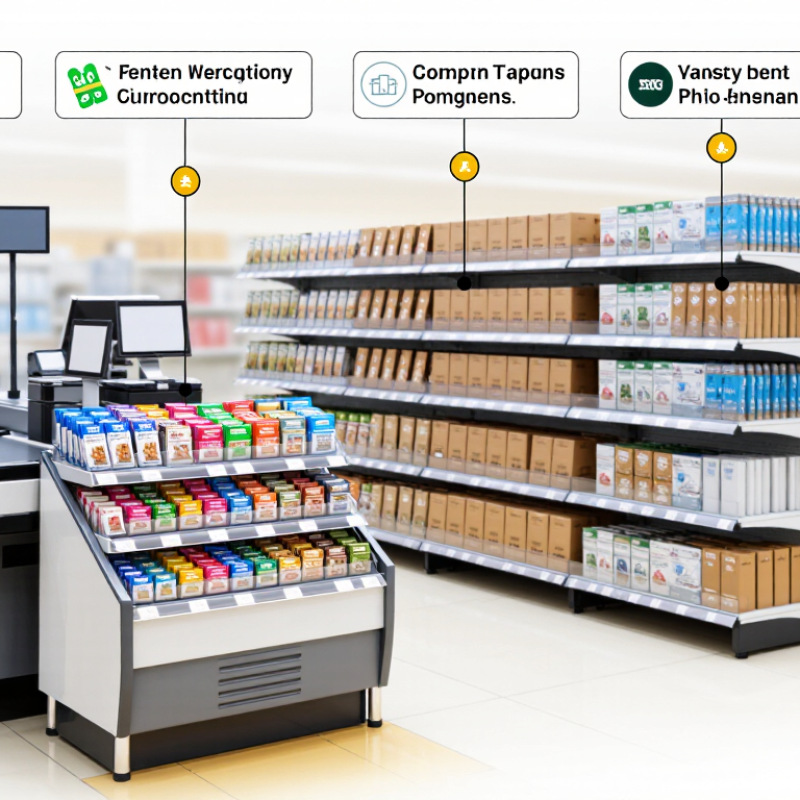
A point of purchase (POP) display rack is a retail fixture placed near the moment a shopper considers buying. It holds products and may include price cards or brief product information. It can stand at an aisle end, sit beside a counter, or fit on a shelf. It is a fixture. Its purpose is practical: make selected items easier to notice, reach, and compare without requiring shoppers to search another aisle.
POPAI’s 2012 Shopper Engagement Study reported that 76% of purchase decisions were made in-store. That finding helps explain why retailers use displays near products and high-traffic areas. However, it is an older U.S. study, not a guarantee of current behavior in every store or category. Placement matters. A rack beside a relevant product may clarify a choice; one blocking the aisle can frustrate shoppers.
A well-planned rack matches the product’s size, weight, and packaging. For example, small boxed items need stable shelves and readable labels, while taller products need enough clearance. Retail teams should also check restocking access and sightlines from the aisle. Not magic. A display cannot fix unclear pricing or a product shoppers do not want, and those details are easy to overlook during design.
Why Use a Point of Purchase Display Rack?
Where Point of Purchase Display Racks Are Used
Point of purchase display racks appear where shoppers make quick decisions. Near checkout counters, compact racks can hold gum, batteries, or travel-size essentials within easy reach. The products should be visible without blocking payment screens or crowding the queue. Small details matter.
In grocery aisles, freestanding racks can highlight seasonal snacks or a new product category. A rack near the entrance may suit weekly specials, but it should leave clear space for carts and foot traffic. In pharmacies and convenience stores, counter displays often work best for lightweight items that customers can pick up quickly. Heavy products need a stable base and careful placement.
These racks also have a role at trade shows and temporary retail events. A tabletop unit can keep samples and product information together, while a taller rack helps visitors spot items across a busy room. Not every location performs well. A display placed too far from its related products may confuse shoppers, and a cluttered rack can look neglected. Check stock levels, sightlines, and aisle clearance during regular store visits. Even a useful rack needs adjustment as customer movement and product demand change.
| Retail Location | Common Display Rack | Typical Products | Placement | How the Rack Helps |
|---|---|---|---|---|
| Supermarkets and grocery stores | Floor-standing rack, counter display, or shelf-side unit | Packaged snacks, beverages, seasonal goods, and small household items | Checkout area, aisle end, or beside a related product category | Keeps selected products visible and accessible where shoppers make purchase decisions. |
| Convenience stores | Compact countertop rack or narrow floor display | Grab-and-go snacks, confectionery, batteries, and travel-size goods | Near the checkout counter or along a high-traffic aisle | Makes efficient use of limited floor space and presents small items within easy reach. |
| Pharmacies and drugstores | Countertop organizer or freestanding display rack | Personal-care accessories, first-aid items, and other small packaged goods | Checkout counter or near the relevant health and personal-care section | Groups compact products neatly and helps shoppers locate related items. |
| Electronics retailers | Counter display, locking display, or accessory rack | Cables, chargers, headphones, and other small electronics accessories | Service counter or beside compatible devices | Organizes accessories near the products they complement; secured formats can help control access to higher-value items. |
| Home improvement and hardware stores | Pegboard rack, wire rack, or modular floor display | Hand tools, fasteners, safety gear, and small DIY supplies | Near related tools, project areas, or aisle ends | Uses hooks or compartments to keep small products arranged and easy to browse. |
| Bookstores and stationery shops | Rotating rack, tabletop display, or tiered counter rack | Greeting cards, pens, notebooks, and small gift items | Checkout area or near complementary stationery and gift products | Displays several items in a compact footprint and makes browsing easier. |
| Trade shows and temporary retail events | Portable countertop rack or lightweight freestanding unit | Samples, brochures, small merchandise, and packaged products | Exhibition booth, registration area, or event sales counter | Creates a clear product presentation that can be set up and moved as needed. |
A point-of-purchase rack can influence what shoppers notice, compare, and pick up. It turns an aisle or checkout area into a small decision space. Shop! Association’s 2014 Mass Merchant Shopper Engagement Study reported that 82% of purchase decisions were made in-store. That figure does not mean every display drives a sale. It does show why visibility and timing deserve attention. A rack beside a related product can make comparison easier, while a clear price card answers a practical question before shoppers move on.
Small details matter. A shopper reaching for coffee may notice a compact rack of filters nearby; a bright display in a narrow aisle may instead feel like an obstacle. Height, spacing, and product order shape the experience. Keep frequently considered items easy to see, leave room for carts, and avoid covering aisle signs. Then observe what happens. Do people pause, handle products, or walk around the fixture? A display can look polished and still miss the mark. Retailers can test one change at a time, such as moving the rack or simplifying its message, and compare shopper interactions before drawing conclusions.
A point of purchase display rack can turn an overlooked aisle edge or checkout area into useful selling space. For retailers, a well-sized rack makes products easier to find without blocking walkways or hiding nearby shelves. Its open layout can also help staff check stock quickly. Less time searching. More time assisting customers.
Brands benefit when products sit together in a clear, visible group. A shopper comparing package sizes can understand the range at a glance, while a simple sign can explain a product feature without crowding the display. Placement matters, though. A rack beside a related category may feel helpful; one placed in a busy path may feel like an obstacle. That assumption can be wrong, so retailers should watch how shoppers move and check sales before repeating a setup.
Shoppers gain convenient access to small, relevant items while they are already considering a purchase. Clear labels, reachable shelves, and stable construction make browsing easier, especially when the main shelf is crowded. But more visibility does not guarantee more sales. A display that is overfilled or difficult to maintain can frustrate shoppers and staff alike. Retailers can review it weekly, remove damaged packaging, and adjust the assortment based on what actually moves.
Choosing a point of purchase display rack starts with the product, not the empty floor space. Measure each item, including its packaging, and note how customers will pick it up. A rack for small boxed goods needs different shelf spacing from one holding tall bottles. Leave enough room for hands to reach products without knocking nearby items over. Small details matter. Also check the rack’s footprint against the aisle and checkout area; a display that blocks movement can frustrate shoppers and staff.
Material and construction should match the display’s expected use. Metal racks can suit heavier products and frequent restocking, while cardboard options may work for lighter goods or short campaigns. Ask how shelves attach, how the unit moves, and whether replacement parts are available. Stability matters. Test a loaded rack on the actual floor surface, especially if it has wheels. A display can look sturdy when empty, which is not a reliable test. I would avoid choosing by appearance alone.
Visibility, access, and upkeep are practical selection factors. Place the rack where shoppers can see it without interrupting the main shopping path. Check whether labels face forward and whether staff can replenish stock quickly. If the area is dim, a dark finish may hide product details; lighting and nearby colors can change how the display reads. Before ordering several units, set up one rack and observe it during a normal shift. The result may not match the plan on paper, and that is worth noticing.
A well-chosen rack can make products easier to notice and access while fitting the store layout. Compare each option against practical selection factors before purchasing.
How to use this chart: These are illustrative example ratings, not survey results. Rate candidate racks from 1 (low priority) to 5 (high priority) based on your products, available floor space, expected load, and store conditions.