A steering wheel lock bar is a visible, hands-on layer of vehicle security. It spans the steering wheel and helps prevent the wheel from turning, making a car less convenient to take. It is not a guarantee. Fit, construction, and everyday use all matter.
Automotive security reviewer Daniel Mercer sums up the buying test: “Choose a bar that fits firmly, locks consistently, and is simple enough to use every time.” Treat that as a practical rule, not a promise of protection. A loose-fitting bar may shift; a complicated one may stay in the trunk. Small details count.
This 2026 guide compares ten steering wheel lock bars by fit range, materials, locking mechanism, visibility, and ease of installation. We look for clear product specifications and practical features, not dramatic claims. Check your steering wheel’s dimensions before buying, and follow the manufacturer’s fitting instructions. No bar is magic. Even a well-made lock has limits, and that deserves honest attention. The right choice is the one that fits your vehicle, suits your routine, and adds a visible deterrent without creating a daily hassle.
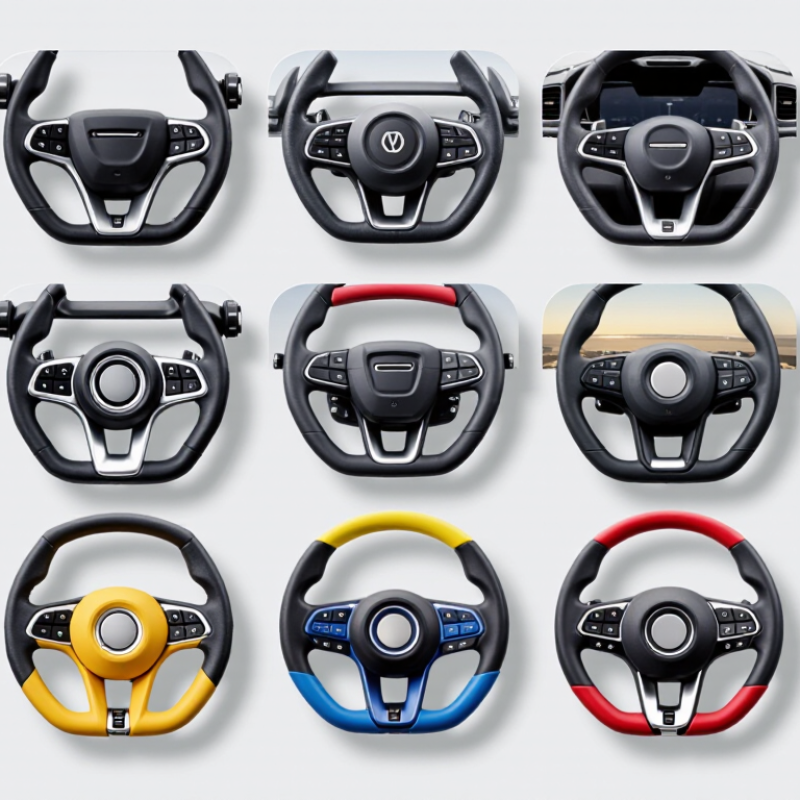
A steering wheel lock bar is a removable metal device that clamps across the steering wheel. Its extended section limits how far the wheel can turn or rests against the vehicle’s interior when someone tries to steer. Most models use a key-operated lock, and some adjust to fit different wheel sizes. The exact fit matters. A loose bar may be easier to shift, while an overly tight one can be awkward to install or remove.
The device mainly deters theft by making a vehicle more visibly difficult and time-consuming to drive away. A thief may notice the bar through the window and choose a less protected target. It is a barrier, not a guarantee. A determined person may still defeat it, so a steering lock works best alongside sensible habits, such as locking doors and parking in a well-lit place. Before buying, check that the bar fits your wheel and can be secured without pressing controls or obstructing the airbag area. Try fitting it at home, in daylight. Small details matter: a dangling key, stiff lock, or bar that rattles can make daily use frustrating. I would not assume the heaviest option is automatically the safest; reliable fit and consistent use count, too.
A conventional steering wheel lock bar visibly signals added protection and physically restricts steering-wheel movement. It is a deterrent, not a guarantee against vehicle theft.
General capabilities of a conventional steering wheel lock bar; this is not a product test. A lock bar does not prevent someone from entering the vehicle or having it towed, and no lock can guarantee theft prevention.
Steering wheel lock bars differ in how they attach, how much of the wheel they cover, and how they fit different vehicles. A straight crossbar stretches across the rim, with its ends resting near the dashboard or windshield. Its visible shape may discourage casual tampering, but it leaves much of the wheel exposed. Fit matters. Measure the wheel and check spoke clearance before buying; a loose bar can rattle or feel awkward to remove.
A dual-hook or adjustable bar grips opposite sides of the rim, sometimes reaching toward a pedal. That extra reach can limit movement, though installation takes practice. Pedal-to-wheel models connect the steering wheel to a brake or clutch pedal. They restrict steering directly, but must match the pedal layout and available cabin space. Not every car suits them. Check carefully.
Full-cover locks shield more of the wheel, but they are bulkier and may be harder to store. Simple bars are usually quicker to handle. Check the lock mechanism, construction details, and padded contact points; rough edges can mark leather. No lock is a guarantee. Choose a type you can fit snugly each time, then test it while parked. Real use is sometimes less tidy than product photos suggest.
Choosing a steering wheel lock bar starts with fit, not appearance. Measure your steering wheel’s diameter and rim thickness, then compare them with the bar’s stated adjustment range. Fit comes first. A loose bar may slide; an overly tight one may be difficult to install consistently. Check that it clears the dashboard, instrument cluster, and airbag cover when fitted. No guesswork.
The National Insurance Crime Bureau’s 2023 vehicle-theft report recorded 1,020,729 stolen vehicles in the United States. That figure supports layered precautions, not a guarantee that any lock will prevent theft. Look for clear specifications on the bar’s materials, locking mechanism, and resistance testing. Be cautious of claims without test details. A visible device may add a deterrent, but it cannot replace locking doors, taking the keys, and choosing a well-lit parking spot.
Consider daily use, too. Can you attach and remove the bar without scraping the wheel? Is the key easy to keep separate from your vehicle keys? Check the warranty and replacement-key policy before buying. A lock that stays in the trunk is not helping; still, convenience should not outweigh a secure fit. Test the adjustment at home and confirm it does not press against delicate trim.
How to Choose a Steering Wheel Lock Bar for Your Vehicle
| Rank | Generic Lock-Bar Type | Best Suited To | What to Check Before Buying | Main Advantage | Possible Limitation |
|---|---|---|---|---|---|
| 1 | Adjustable crossbar lock | Drivers seeking a straightforward, highly visible steering-wheel deterrent. | Confirm the adjustment range fits the wheel and that the hooks can engage securely. | Easy to see from outside the vehicle and quick to fit once adjusted. | May not fit unusually small, large, or unusually shaped steering wheels. |
| 2 | Full-wheel cover lock | Owners who want a device that covers a substantial part of the steering wheel. | Check wheel-diameter compatibility, cover depth, and clearance around the dashboard. | Its broad coverage makes the device conspicuous and can obstruct normal steering use while fitted. | Bulkier to store and may take longer to install than a simple bar. |
| 3 | Pedal-to-wheel locking bar | Drivers who want a visible restraint connecting the steering wheel to a pedal. | Check the intended pedal range, bar adjustment, and whether the steering-wheel end fits securely. | Links two vehicle controls, making the restraint readily noticeable. | Fit can vary with pedal layout and vehicle interior design. |
| 4 | Compact telescoping bar | Vehicles with limited storage space and drivers who value compact storage. | Measure the steering wheel and compare it with the product’s stated minimum and maximum reach. | Retracts for easier storage when not in use. | Shorter reach may limit compatibility with some vehicles. |
| 5 | Heavy-duty adjustable bar | Drivers prioritizing a substantial, rigid-looking visible deterrent. | Review construction details, locking-point design, fit range, and the device’s weight. | A robust build can be reassuring and highly visible. | Can be heavier and less convenient to handle or store. |
| 6 | Compact single-hook bar | Drivers who prefer a simple mechanism with few parts to position. | Make sure the hook geometry works with the rim and spokes of the steering wheel. | Simple to understand and generally quick to place on a compatible wheel. | Compatibility depends on wheel shape and the available engagement points. |
| 7 | Dual-hook steering-wheel bar | Drivers looking for a bar that engages the wheel at two points. | Check that both hooks can sit securely without pressing against delicate trim or controls. | Two engagement points can help the bar sit firmly on compatible wheels. | Some spoke layouts or thick wheel rims may prevent a secure fit. |
| 8 | Key-operated lock-bar design | Drivers who prefer a familiar keyed locking method. | Check how many keys are supplied, whether replacement keys are available, and how the keyway is protected. | Operation is familiar to many users. | Keys must be kept accessible; losing them can make removal inconvenient. |
| 9 | Combination-lock bar | Drivers who prefer not to carry a separate key for the device. | Check the combination-setting instructions and confirm the dials are easy to operate in the cabin. | No separate key is needed for normal operation. | The combination must be remembered, and small dials may be awkward for some users. |
| 10 | Soft-contact padded bar | Drivers concerned about contact marks on a steering-wheel rim or interior trim. | Inspect the contact surfaces and confirm padding does not interfere with secure engagement. | Protective contact points can help reduce direct metal-to-surface contact. | Padding can wear over time and should be checked periodically. |
Fit and construction vary by product, even within the same design type. Before buying, measure your steering wheel, check the manufacturer’s stated compatibility and installation instructions, and make sure the device does not damage trim or interfere with vehicle controls. A steering-wheel lock is a visible deterrent, not a guarantee against theft.
In 2026, choosing among the top 10 steering wheel lock bars means looking beyond bright colors and heavy construction. A useful bar should fit the steering wheel securely, resist casual removal, and be simple to attach without blocking the driver’s view. Check its adjustment range against your vehicle’s wheel; a lock that only grips the rim loosely may offer little practical deterrence. Fit matters.
Compare the ten options by construction, locking mechanism, storage size, and ease of use. A solid steel body can feel reassuring, but weight matters if you carry the bar every day. Look for smooth edges that won’t scrape the wheel and a keyway that is easy to reach in a dim parking area. Clear instructions and a spare key are small details worth checking.
No steering wheel bar makes a vehicle theft-proof. It works best as a visible layer of deterrence, alongside sensible parking and keeping valuables out of sight. A minor frustration: some models are awkward to store, even when they fit well. Before buying, measure your wheel and read recent reviews for comments about fit, rattling, and wear. The most practical choice is one you can secure consistently, not one that stays in the trunk.
A steering wheel lock bar works best when it fits snugly and is easy to check. Park on level ground, switch off the engine, and straighten the front wheels. Extend the bar until its hooks sit securely around the steering wheel rim. Follow the product’s instructions; designs vary. The bar should not slide off with a light pull, but avoid forcing it against buttons, trim, or the horn pad. A tight fit matters.
To use it, lock the device and give it a brief tug before walking away. Keep the key somewhere separate from the vehicle, but somewhere you can reach it calmly. On return, unlock the bar and remove it before starting the car. Don’t drive with the device attached. It sounds obvious, yet a rushed morning can make people miss simple checks.
Wipe dust and moisture from the bar with a soft cloth, especially around moving joints and the lock cylinder. Check periodically for cracks, loose hooks, rust, or a key that sticks. A tiny drop of lubricant may help if the manufacturer permits it; more is not always better. Store the bar where it won’t roll under the pedals. Small detail, big difference. One honest limitation: a lock bar is a visible deterrent, not a guarantee, so keep using sensible parking and vehicle-security habits.