Why Choose Artistic Decorative Tiles for Your Project?
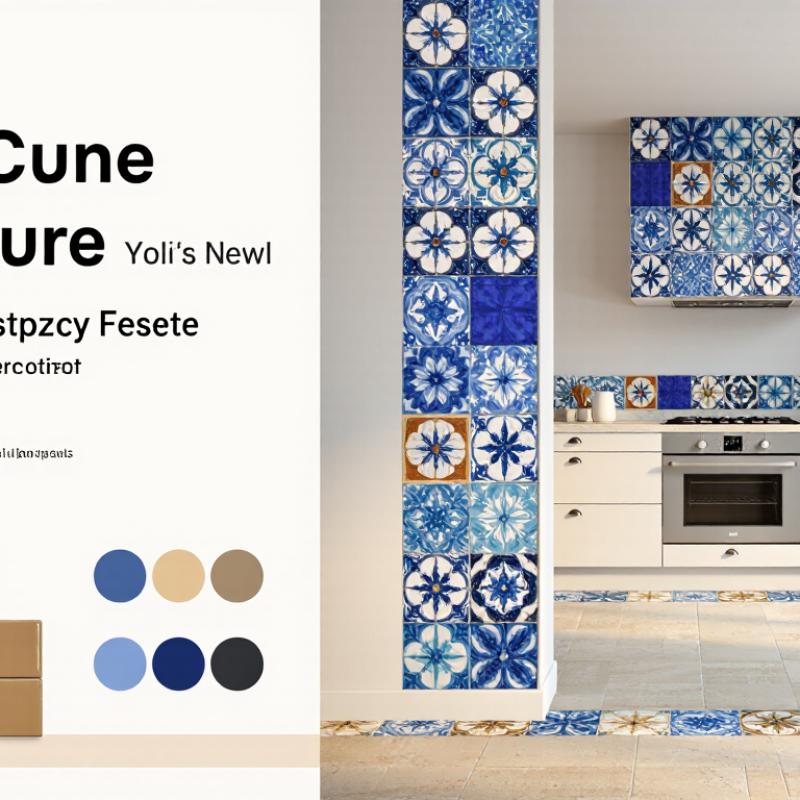
Artistic Decorative Tiles can turn an ordinary wall, floor, or niche into a defining feature. Their patterns, textures, and colors add character without requiring a full room redesign. A hand-painted blue tile above a kitchen range, for example, can create a focal point against simple cabinets. Even a narrow border can bring rhythm to a plain surface.
The right choice depends on more than appearance. Consider where the tiles will go, how often the surface is used, and how much cleaning it needs. Glazed finishes may suit splash-prone walls, while floors call for products rated for the intended use. Check manufacturer specifications, including slip resistance where relevant, and ask an experienced installer about substrate preparation and grout width. Handmade tiles may vary in shade or shape. That variation can feel lively, but it may also surprise buyers expecting a perfectly uniform finish.
Budget and maintenance deserve equal attention. Some decorative designs cost more, and intricate layouts can require extra cutting and installation time. Not every room needs a bold pattern. Sometimes restraint works better. Before committing, request samples and view them in the project’s actual lighting; a tile that looks warm in a showroom may appear cooler at home. This guide explores the practical and aesthetic reasons to choose Artistic Decorative Tiles, while weighing the trade-offs that can shape a successful project.
What Defines Artistic Decorative Tile Across Ceramic, Porcelain, and Glass
Artistic decorative tile is defined less by a single material than by its surface, color, format, and intended use. Ceramic bodies accept varied glazes and hand-finished details, so slight shade shifts can add warmth. Porcelain offers a denser option for areas exposed to moisture or heavy use. ISO 13006 classifies porcelain in group BIa, with water absorption of no more than 0.5 percent. That figure is useful, but it does not tell you whether a tile is slip-resistant or suitable for a specific installation. Check the product’s technical data and applicable installation guidance.
Glass tile brings light into the design. A glossy mosaic can brighten a shadowed niche, while translucent pieces reveal depth and color beneath the surface. The Tile Council of North America’s Handbook provides installation guidance for ceramic, porcelain, and glass tile systems; its recommendations vary with the tile and setting. Scale matters, too. A small sample may look calm, while a full wall can feel busy. One detail can be enough. Grand View Research estimated the global ceramic tile market at about $200.4 billion in 2023, reflecting the material’s broad use, not a guarantee of performance. I’d still request full-size samples: colors often shift under warm bulbs, and grout can change the pattern more than expected.
How Glazes, Pigments, and Firing Create Distinctive Tile Surfaces
Artistic decorative tiles earn their character through more than pattern. Their surfaces respond to glaze, pigment, and heat, creating shifts that printed designs cannot fully reproduce. A glossy glaze can deepen color and reflect window light, while a matte finish softens it. Some glazes pool along the edges or gather in tiny surface variations. That subtle irregularity can make a wall feel alive.
Pigments affect how a tile reads before it enters the kiln. Mineral-based colorants may change with the glaze and firing conditions, so a sample is useful—but never a perfect promise. Heat can alter color, texture, and gloss. Even tiles from one batch may show gentle variation. That is part of their appeal. It can also complicate a tightly matched installation.
Look closely at samples in the room where the tiles will be used. Check them in morning light and under evening lamps. Feel the surface, too; a raised glaze may collect grime more readily than a smooth one. Small differences matter. A tile that looks striking alone might feel busy across a large wall. Choosing the right finish involves balancing visual impact with cleaning needs, lighting, and the natural variation you are willing to live with.
How Porcelain Tile Meets the ANSI A137.1 Water-Absorption Limit of 0.5%
Why Choose Artistic Decorative Tiles for Your Project?
How Porcelain Tile Meets the ANSI A137.1 Water-Absorption Limit of 0.5%
Artistic decorative tiles can bring color, pattern, and tactile detail to a room. Porcelain offers another advantage: low water absorption. Under ANSI A137.1, porcelain tile has an average water-absorption rate of 0.5% or less, measured using the applicable test method. That figure describes the tile body, not the entire finished floor or wall. A precise distinction, but an important one.
A low absorption rate can make porcelain a practical choice for kitchens, bathrooms, and other areas exposed to moisture. Still, it does not make an installation waterproof by itself. Substrate preparation, waterproofing, grout, and careful installation all matter. Even a striking patterned tile can disappoint if water reaches an unprotected surface. Check product specifications and installation guidance, especially when choosing textured or unusually shaped pieces. Those details can complicate cleaning and fitting.
Tips: Confirm that the tile is identified as porcelain and that its test data meets the 0.5% limit. Order samples when possible; colors and surface texture can look different under your room’s lighting. Plan the layout before installation, and account for grout joints. A small mismatch can show.
When the ANSI A326.3 DCOF Benchmark of 0.42 Matters for Flooring
Why Choose Artistic Decorative Tiles for Your Project?
When the ANSI A326.3 DCOF Benchmark of 0.42 Matters for Flooring
Artistic tile can bring pattern and texture to a room, but floors need practical evaluation too. ANSI A326.3 sets a wet DCOF benchmark of 0.42 for many level interior spaces expected to be walked on when wet. DCOF means dynamic coefficient of friction, measured using a specified test method. The Tile Council of North America’s guidance explains that this value helps assess suitability; it is not a universal guarantee against slips.
Small distinction. Important one.
A kitchen entry with rainwater, or a bathroom floor near a shower, deserves more than a glance at a sample board. Ask for the tile’s test results and confirm the intended use with the supplier or installer. ANSI A326.3 also recognizes that conditions such as contaminants, footwear, drainage, and maintenance affect traction. A passing result cannot reproduce every real floor. Even grout joints, surface wear, and cleaning residue may change how a floor feels underfoot. Choose decorative designs with performance information that matches the space, and consider a textured finish where wet traffic is expected. The 0.42 figure is a benchmark, not a promise.
How to Match Tile Material, Finish, and Pattern to Project Use
Match the tile material to the room’s moisture, traffic, and cleaning needs. Porcelain is a practical choice for busy floors because it handles regular wear and spills well. Natural stone brings variation, but often needs sealing and careful cleaning. Clay tiles can add warmth to a wall or sheltered area, though some types are less suited to wet floors. Check the product’s technical data, not just its sample. Test it wet.
Finish affects both appearance and safety. Glossy surfaces reflect light and can make a small backsplash feel brighter, but water and fingerprints show quickly. For a bathroom floor or entryway, compare slip-resistance information and choose a finish intended for that use. Matte is not automatically slip-proof. A small sample under the project’s actual lighting can reveal undertones that showroom lights hide.
Let the pattern suit the space, rather than overpower it. Large, bold motifs can anchor a simple room; smaller repeats may work better around narrow niches or counters. Before ordering, lay out several tiles and include grout lines. This catches awkward cuts near edges and fixtures. It may feel fussy, but changing a layout after installation costs more. Even careful planning has limits: handmade tiles can vary in shade and size, so confirm acceptable variation before committing.
