Why Choose a Pipe Cutting Machine for Your Business?
In metal fabrication, a cut is more than a line on a work order. It affects fit, finishing time, material use, and the pace of the next operation. A Pipe Cutting Machine can make repeated cuts more consistent, especially when a business handles regular batches of pipe or tubing. That matters. A clean, square edge can reduce rework before welding or assembly, while a poorly matched setup may create burrs and extra handling. Small details count. Pipe diameter, wall thickness, material, and required tolerance all influence which machine and cutting method are suitable. The right choice depends on the work, not the label on the machine.
For a shop considering new equipment, the practical questions are straightforward. How often will it run? What materials and sizes must it handle? How much operator setup does each job require? Buyers should also check blade or tool life, maintenance access, safety features, and the availability of technical support. A fast machine is not automatically the best investment. Not always. A high-capacity model may sit underused in a small shop, while a simpler system may struggle with varied specifications. It is worth comparing sample cuts and asking suppliers how they verify repeatability. Results can vary with material quality and operating conditions. This guide explores the business reasons to consider a pipe cutting machine, the features that deserve close attention, and the trade-offs worth discussing before purchase. Some questions only become clear after a real production trial.
What a Pipe Cutting Machine Does
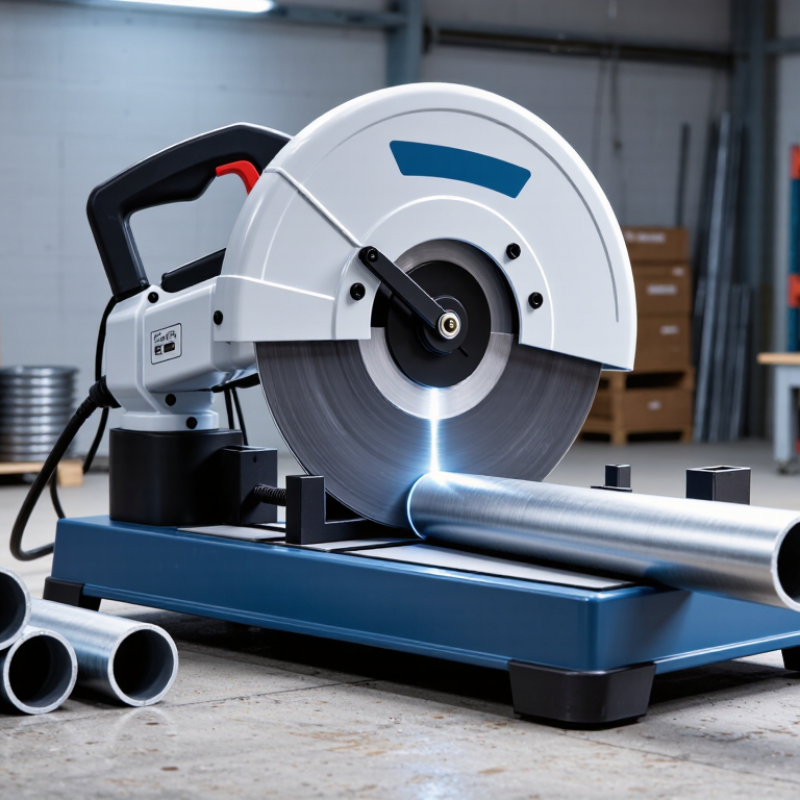
A pipe cutting machine separates tube or pipe stock into set lengths, using a blade, abrasive wheel, or other cutting head. The operator places the material against a stop and secures it in a clamp. That matters. A stable pipe is less likely to shift, helping produce a cleaner, more consistent cut. Depending on the machine, the cutter may travel through the pipe or the pipe may rotate against the cutting head.
In a busy workshop, repeatable cuts can reduce measuring time and make parts easier to fit during welding or assembly. Some machines also support angled cuts or programmed cut lengths. Results still depend on setup: the pipe’s diameter, wall thickness, material, and chosen blade all affect performance. Not magic. A dull blade can leave burrs, while poor clamping may create an uneven edge. Operators should check the cut face, clear chips safely, and follow the machine’s operating instructions. A small test cut is often worthwhile, even when the settings look right. It takes a little time, but can reveal drift before a full batch is cut.
Why Choose a Pipe Cutting Machine? What It Does
Typical pipe-cutting workflow
The bars show workflow order, not cutting speed or machine performance. A pipe cutting machine helps make cuts to a set length; operators typically secure the pipe, set the length, make the cut, and inspect the result. Exact features vary by machine.
How Pipe Cutting Machines Work in Business Operations
Why Choose a Pipe Cutting Machine for Your Business?
How Pipe Cutting Machines Work in Business Operations
A pipe cutting machine turns measured stock into consistent sections for fabrication, plumbing, and equipment assembly. An operator enters a length or sets a physical stop, then secures the pipe in a clamp. The cutting head moves through the material using a blade, saw, or other process suited to its diameter and composition. Some systems include a powered feed or coolant; others rely on manual handling. The right setup depends on the work.
Once a cut is complete, the operator checks length, end condition, and alignment before moving parts downstream. Repeatable settings can reduce measuring time and help teams plan production, but they do not guarantee perfect results. A slightly skewed clamp or worn blade may leave rough ends or inconsistent lengths. Small details matter. Automation does not remove judgment. In real shops, setup can take longer than expected, especially when pipe sizes change often. Keeping a simple record of settings and inspection results helps reveal problems before they affect a full batch.
Tips: Match the blade and clamping method to the pipe material. Keep hands clear during cutting, and follow the machine’s operating instructions. Check the first piece after each setup change. Clean chips from the work area, and inspect cutting parts regularly.
Benefits for Production Speed, Precision, and Safety
Why Choose a Pipe Cutting Machine for Your Business?
A pipe cutting machine can speed up production by replacing repeated hand measuring and sawing. Operators set a length, secure the pipe, and repeat the cut with less handling. On a busy line, that means fewer pauses between batches. Consistent cuts can also reduce fit-up adjustments during welding or assembly. Still, speed depends on careful setup and the material being cut.
Precision matters when pipes need to meet closely at joints. A firm clamp and a suitable cutting tool help limit wandering, burrs, and uneven edges. Results vary with pipe diameter, wall thickness, and tool condition, so check sample cuts before starting a full run. Safety improves when the workpiece is secure and hands stay clear of moving parts. Use guards and suitable dust or chip control. Machines help, but trained operators remain essential.
Tips: Check blade condition and clamping before each shift. Measure a sample cut, then adjust the setup if needed. Small checks prevent larger problems.
Factors to Consider When Selecting a Machine
A pipe cutting machine should suit the materials and workload your shop actually handles. Record the pipe’s outer diameter, wall thickness, and material type before comparing models. A machine rated for a wide diameter range may still struggle with thin-walled tubing or frequent material changes. Measure twice.
Cut quality matters as much as cutting speed. Ask what tolerances the machine can maintain across a full shift, not just on a sample cut. Check the cut face for burrs, heat discoloration, and squareness. These details affect later welding or assembly. Test your own pipe, if possible, because published figures rarely capture every shop-floor condition.
Consider loading, clamping, and operator access. A fast cutting head offers little benefit if each pipe takes minutes to align by hand. Look at changeover time, available floor space, maintenance access, and how chips or coolant are managed. Also compare the machine’s cycle time with your real order mix; peak production figures can be misleading. It is tempting to buy extra capacity for future work, but unused features add cost and complexity. Leave room for growth, though the right allowance is not always obvious.
Industries and Applications That Use Pipe Cutting Machines
Pipe cutting machines serve industries where accurate tube ends affect fit, flow, and assembly. In oil and gas, fabricators cut carbon-steel pipe for process lines, skids, and maintenance work. The U.S. Energy Information Administration reports nearly 3 million miles of natural gas pipelines in the country. That extensive network requires pipe sections prepared for installation and repair. On busy shop floors, repeatable cuts help reduce rework, though setup still matters.
Construction and building services use cutting machines for plumbing, fire-protection, and HVAC systems. The U.S. Census Bureau recorded about $2.2 trillion in U.S. construction spending during 2024, indicating the scale of work involving building materials and services. A clean, square cut can make grooved or welded connections easier to align. Small errors still happen. Dull blades, inconsistent clamping, or an incorrect cutting speed can leave rough edges.
Other applications include automotive exhaust production, agricultural equipment, shipbuilding, and furniture frames. In each case, the machine must match the material, diameter, wall thickness, and required finish. Stainless steel, for example, may need controlled cutting to limit heat and burrs. For production teams, the right choice is not always the fastest machine; changeover time and operator skill count too. It is worth checking real workpieces before deciding.
