How to Choose the Right Sprinkler Control Valve Sign

I can’t responsibly invent a quotation or attribute words to a real sprinkler-industry expert without a verifiable source. Please provide the expert’s name and approved quote, or allow an introduction that uses an unattributed practical principle instead.
How to Choose the Right Sprinkler Control Valve Sign

Purpose and Function of a Sprinkler Control Valve Sign

How to Choose the Right Sprinkler Control Valve Sign

Purpose and Function of a Sprinkler Control Valve Sign

A sprinkler control valve sign identifies the valve and the area or system it serves. During an inspection or emergency, clear identification helps staff find the correct control point without guessing. Every second matters. A sign should state its purpose plainly, using readable text and familiar terms rather than vague labels.

Good placement is just as important as good wording. Mount the sign near the valve, where it can be seen from the usual approach. Keep it clear of pipes, stored materials, and door swings. Make sure the lettering stays legible under the lighting conditions in that space. Small details matter. Dust, fading, or a sign turned toward a wall can make useful information hard to find.

A sign does not replace valve position checks, system records, or inspection procedures. It supports them by connecting a visible valve to the system it controls. During routine inspections, check that the sign still matches the valve and remains easy to read. A technically accurate sign can still fail if no one can see it. That part is easy to overlook.

How to Choose the Right Sprinkler Control Valve Sign

Purpose and Function of a Sprinkler Control Valve Sign

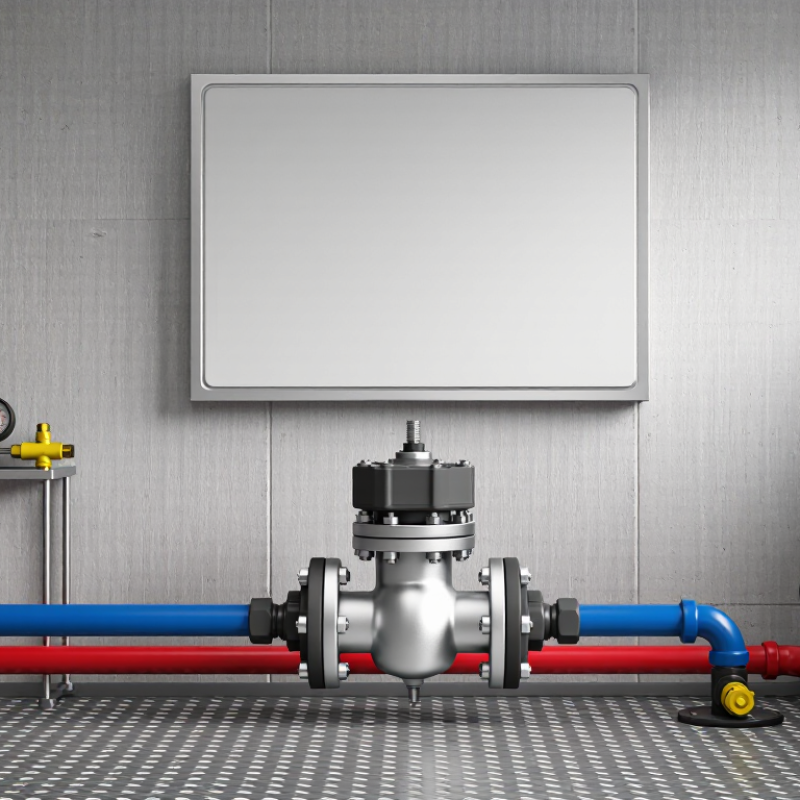
A clear valve sign helps people identify the valve, understand which system or area it serves, and recognize its normal position. In a typical arrangement, an open control valve keeps the supply path available; a closed valve interrupts that path. This diagram illustrates the basic principle, not a measured performance result. Actual system layouts and sign requirements vary, so verify details against the building’s fire-protection plans and applicable codes.

Codes and Requirements That Affect Sign Selection

How to Choose the Right Sprinkler Control Valve Sign

NFPA 13 addresses sprinkler-system design and installation, while NFPA 25 covers inspection, testing, and maintenance. The adopted editions and local fire-code amendments matter; requirements can differ by jurisdiction. Check with the authority having jurisdiction before ordering signs. A sign should clearly identify the valve and the system area it controls. Use wording that matches the building’s valve schedule, not a vague label such as “sprinkler valve.”

Make it readable where staff approach the valve. A durable sign, securely attached near the control point, is more useful than one hidden behind a pipe or faded by moisture. Small details matter. NFPA’s 2021 report, U.S. Experience with Sprinklers, found sprinklers operated in 92% of fires large enough to activate them, and were effective in 96% of fires in which they operated. Those figures describe sprinkler performance, not signage; clear identification helps personnel locate controls during inspection and response.

Check contrast, lettering size, mounting position, and whether the sign remains visible with doors open. A technically correct sign can still frustrate someone if it points to the wrong zone. I have seen sign schedules copied between buildings without checking the actual piping. That shortcut is easy to miss. Confirm the label against drawings and a field walk-through, then revisit it after system changes.

Choosing the Sign’s Material, Size, and Wording

A sprinkler control valve sign should help a person identify the correct valve quickly, even in a dim mechanical room. Choose a material that suits the location. A rigid, moisture-resistant sign works well near damp piping, while a protected label may fit a clean indoor cabinet. Check that the lettering stays readable under the room’s lighting. A glossy surface can reflect light and hide the words.

Tips: Measure the viewing distance before choosing the sign size. Stand where staff would approach, then check whether the text is legible. Leave clear space around the sign. Avoid placing it behind pipes, stored boxes, or an open door.

Keep the wording short and specific, such as “SPRINKLER CONTROL VALVE” with a clear directional arrow when needed. Use strong contrast and plain lettering; decorative fonts slow recognition. Include a room or zone identifier only if it matches the site’s records. That detail can become confusing when labels and drawings drift out of sync, so verify both before installation. I would rather use fewer accurate words than a crowded sign that promises more than it tells.

Selecting a Visible Location and Mounting Method

How to Choose the Right Sprinkler Control Valve Sign

Selecting a Visible Location and Mounting Method

Place the sign where staff can spot it while approaching the valve, not only when standing beside it. A clear view from the normal access route matters. Keep it out of door swings, stacked supplies, and shadows cast by pipes. If the valve sits around a corner, add a directional sign at the decision point. Keep it simple.

Mount the sign at a consistent, readable height near the valve, without covering the handle or blocking service access. Choose a durable surface and secure fasteners that suit the wall or pipe support. Avoid attaching signs to moving parts. In dim rooms, check readability under emergency lighting; a glossy sign can reflect glare. One detail worth reconsidering: a sign mounted high may seem visible, yet disappear behind overhead piping from a person’s approach.

NFPA’s U.S. Experience with Sprinklers report, covering 2015–2019, found sprinklers operated in 92% of reported fires large enough to activate them and were effective in 96% of fires where they operated. These figures describe system performance, not signage, but they underline why rapid valve identification matters. During routine walk-throughs, test the sign from several angles and ask someone unfamiliar with the room to locate the valve. If they hesitate, adjust the placement. A small sign can be technically correct and still be easy to miss.

Checking Sign Legibility, Durability, and Maintenance

How to Choose the Right Sprinkler Control Valve Sign

A sprinkler control valve sign should be readable before anyone reaches the valve. Check it from the doorway and from the usual approach path. Use clear wording, strong contrast, and lettering large enough for the viewing distance. Avoid placing it behind pipes, stored items, or open doors. A sign that looks clear up close may disappear in a dim corridor. That detail is easy to miss.

Tips: Choose a material suited to the location. Indoor signs may face dust and cleaning, while outdoor signs also meet sunlight, rain, and temperature changes. Secure the sign so it stays flat and visible, but does not block the valve or its handle.

Include the valve’s function or area served when that information helps staff identify it quickly. Keep the wording concise; crowded signs take longer to scan. During routine checks, look for fading, peeling edges, loose fasteners, and grime. Wipe the surface with a compatible cleaner, and replace signs that remain hard to read. Maintenance needs can vary by site, so record what was checked and flag recurring damage. It is not always obvious whether poor visibility comes from the sign or its placement; check both before making a change.