I can write the introduction, but no source article or verified expert quotation was provided. To avoid inventing an expert or misattributing a statement, please share the expert’s name and quote you want included.
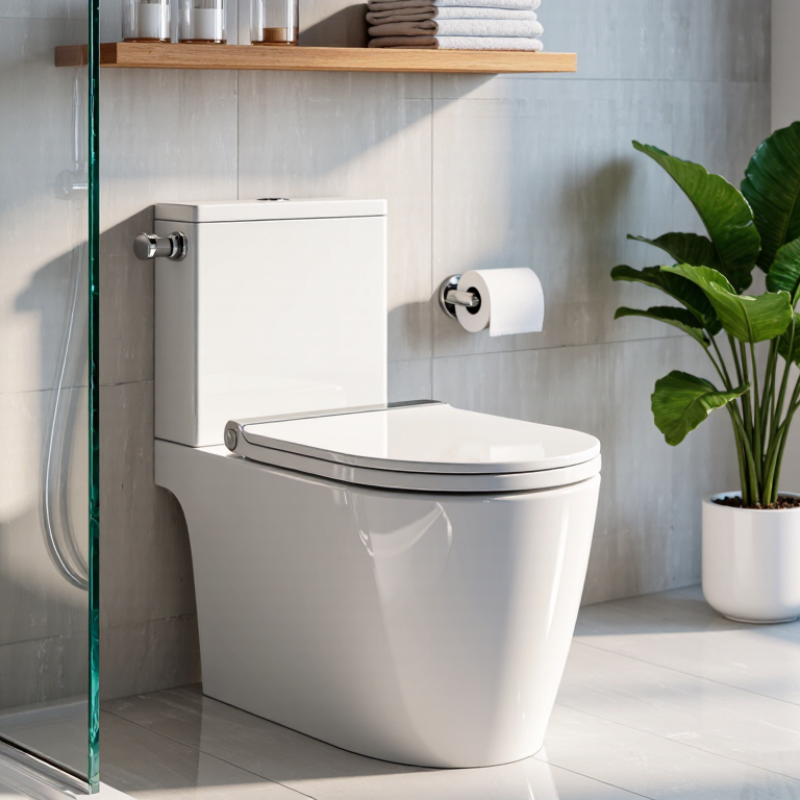
A tornado toilet uses directed water to create a circular rinse around the bowl. Angled outlets, often placed beneath the rim, guide water along the ceramic surface instead of sending it straight downward. That movement helps wash the bowl and carry waste toward the outlet. The exact pattern varies by bowl shape and flushing design. “Tornado” is not a universal technical standard, so the name alone proves little.
When the flush starts, water leaves the tank or supply line and enters the bowl through these channels. The swirling flow then works with the trapway, the curved passage connecting the bowl to the drain. In many designs, rising water triggers a siphon that pulls waste through the passage. It is not magic. A weak flush can result from poor installation, restricted channels, or a mismatch between the toilet and the available water pressure.
For a project, inspect the rim outlets and trapway specifications, not just the marketing description. Check whether the toilet is designed for a gravity-fed tank or a pressure-assisted system. A slow pour of water can reveal whether the bowl rinses evenly, though it cannot replace a proper flush test. Also consider access for cleaning and repairs. The swirl may leave fewer visible streaks, but mineral deposits can still collect around small outlets, especially with hard water. A little maintenance matters.
How to Choose the Best Tornado Toilet for Your Project?
Match the toilet to the room before comparing flush claims. Measure the rough-in from the finished wall to the drain center, then check overall projection, width, and door clearance. A compact bowl can free space, but a tight seating area may feel uncomfortable. Measure twice. For shared or accessible spaces, confirm that seat height and clearances meet the project specifications.
Tornado-style flushing uses directed water jets to create a circular rinse, but designs differ. Check the rated flush volume, trapway details, and minimum supply pressure on the technical sheet. Do not assume a strong showroom flush will perform the same way on site; actual water pressure and plumbing conditions matter. Test the fit. If existing pipework is older, confirm that the outlet and connection details are compatible before ordering.
Consider who will use the toilet and how often it will be cleaned. In a busy facility, an easy-to-clean bowl and readily available replacement parts may matter more than a striking shape. Ask the installer to verify dimensions and supply requirements against the site measurements. A polished product sheet cannot reveal every installation issue. That matters.
A tornado toilet should be judged by more than the motion of water around the bowl. Compare how consistently it clears a realistic waste load, how much water each flush uses, and whether the bowl rinses evenly. A strong-looking swirl is not proof of a clean flush. Check independent test information where available, and compare models under the same test conditions.
Pay attention to the trapway, glazed surfaces, and rim design. These affect how easily waste passes and how much residue remains after flushing. Noise counts, too. A powerful flush may sound disruptive in a small home or guest room. Review the stated flush volume, but also consider your project’s water pressure; performance can vary when supply conditions differ from the test setup. That matters.
Fit and maintenance deserve equal attention. Confirm rough-in dimensions, outlet position, seat height, and clearance before ordering. Ask whether common replacement parts are readily available, and check how easy the flush mechanism is to access. In a renovation, a toilet that performs well but requires awkward servicing can become a frustrating choice. I would not rely on a showroom demonstration alone. It shows the swirl, not every daily-use detail.
Before choosing a tornado toilet, measure from the finished wall to the center of the drain. Compare that rough-in with the installation manual, not only with the footprint of the old toilet. Check the flange height, floor condition, and clearance beside the bowl. Even a small mismatch can make sealing or future access difficult. Leave room for the seat to open and nearby doors to swing. A tape measure helps.
Ask a qualified plumber to verify drain size, venting, water-supply location, and pressure against the toilet’s specifications. A strong flushing swirl cannot compensate for a poorly vented line or an unsuitable waste connection. Check that the shutoff valve remains reachable and that the supply connector will not kink. Older homes may have uneven floors or patched pipes that plans fail to show. That detail is easy to miss.
Before installation, confirm the required seal, fasteners, and leveling method. Afterward, test several flushes and inspect around the base and supply connection for leaks. Keep the cleaning and maintenance instructions where they are easy to find. Use non-abrasive products if the manufacturer recommends them, and avoid forcing parts during routine checks. Access can be awkward in a tight bathroom; plan for it before the toilet is fixed in place.
When assessing cost, compare the full installed price, not just the toilet’s unit cost. Include delivery, rough-in adjustments, labor, and likely replacement parts. A low quote can become expensive if the outlet position does not match the existing drain. Check the dimensions before ordering. Also ask whether the price includes the seat, flush fittings, and clear installation instructions.
Quality needs evidence beyond a polished showroom finish. Inspect the glaze for pinholes, check that the seat sits firmly, and ask for documented flush-performance tests. Confirm that the model meets plumbing and water-efficiency requirements in your project’s market. Standards vary by location. One showroom flush is not enough to judge performance across different water pressures or waste loads. I would want to see the test conditions, too.
Supplier support matters after delivery. Ask how quickly the team can provide technical drawings, installation guidance, and compatible spare parts. Get realistic lead times in writing, especially for components such as flush valves or seats. A helpful supplier should answer practical questions without vague promises. Keep in mind that even careful estimates can miss site-specific issues, so leave room in the budget for unexpected fitting work.