
What Are the Top Sesame White Granite Types in 2026?

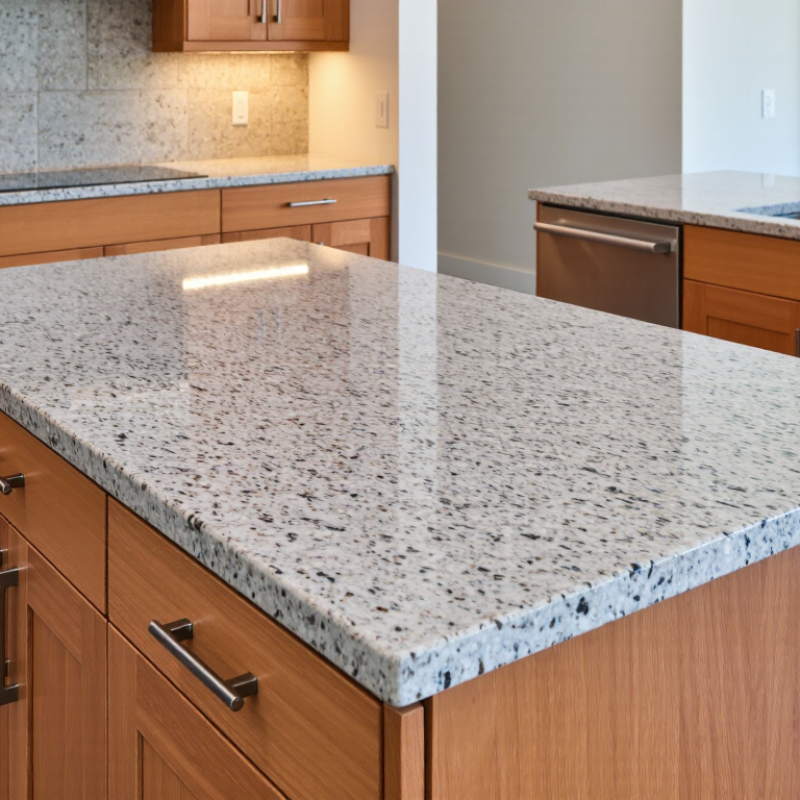
Sesame White Granite remains a practical choice for kitchens, bathrooms, and commercial interiors in 2026. Its pale ground, fine gray flecks, and occasional darker grains create a calm surface without looking completely uniform. In person, those details matter: a polished sample may appear brighter under showroom lights than a full slab beside warm wood cabinets. Small differences between blocks are normal, not necessarily defects.

The U.S. Geological Survey’s Mineral Commodity Summaries 2025 includes a dimension-stone section covering industry production and trade. It does not rank commercial names such as Sesame White or identify a “top” variety. That distinction matters. Trade labels can differ by supplier, quarry, and market, so readers should compare slab photographs, specifications, and physical samples rather than rely on a name alone. Check grain size, background tone, veining, finish, and lot consistency.

A credible, attributable quotation from a named Sesame White Granite specialist was not available in the supplied source material, so I will not invent one. That caution is part of responsible buying. Ask the fabricator to confirm the stone’s origin and sealing guidance, then inspect the actual slab under your project’s lighting. Look closely.

This guide compares leading Sesame White Granite types by appearance, practical use, and selection considerations. It also flags a limitation: color names are not standardized across every seller. A sample can help, but the installed slab is the real test.
What Are the Top Sesame White Granite Types in 2026?

How Sesame White Granite Is Defined and Identified

What Are the Top Sesame White Granite Types in 2026?

How Sesame White Granite Is Defined and Identified

“Sesame white” is a commercial color description, not a formal geological classification. It usually refers to a pale granite with a white or light-gray background and small, dark mineral flecks. Look closely: visible quartz and feldspar grains, scattered mica, and a tightly interlocking texture help distinguish granite from lookalike stones. Slab patterns vary by quarry and block, so the name alone cannot guarantee a consistent appearance.

The USGS Mineral Commodity Summaries 2025 estimates U.S. dimension-stone production at about 2.5 million tons in 2024. That broad category includes many stone types; it does not verify “sesame white” as a separate grade. For reliable identification, request the quarry or supplier’s stone description and test documentation. ASTM C615 provides specifications for granite dimension stone, including physical-performance criteria. A photo is not enough. Even two slabs from one shipment may differ.

Tips: View full slabs in person under neutral lighting. Check the cut edge for grain and inspect a wet sample, since water can deepen contrast. Ask for test results covering absorption and strength. Small flecks can be charming, but they may not match your sample exactly.

Which Sesame White Granite Types Stand Out in 2026?

Among Sesame White granite selections, fine-grained slabs stand out for calm, even surfaces. Their pale gray-white base and tiny dark crystals suit compact kitchens, where strong movement can feel busy. Medium-grained pieces show more contrast and work well on broad islands. Some lots lean warmer, with cream or faint beige flecks; others look cooler under daylight. These are commercial appearance descriptions, not standardized geological grades. The name is imperfectly precise.

The U.S. Geological Survey’s Mineral Commodity Summaries 2025 estimates domestic dimension-stone production at about 2.2 million metric tons in 2024. That figure covers many stone types, not Sesame White alone, so it cannot establish which finish or grade is most popular. For a practical comparison, view several full slabs together. Check the pattern near the edges, and inspect it under both showroom lights and window light. Small chips can look darker when polished. They may nearly disappear on a flamed surface. Ask for the quarry lot and test documentation; appearance alone does not confirm performance. I would not choose from a small sample. On larger installations, veining and speckle distribution can feel less uniform than expected.

How the Main Types Differ in Color, Grain, and Pattern

Sesame white granite is not one fixed look; quarry, block, and cut can change its appearance. For 2026 selections, compare slabs by visible color, grain size, and pattern rather than relying on a type name alone. Fine-grain varieties have a close, even field of white, gray, and tiny dark flecks. They tend to read quietly across a large countertop. Subtle, but not plain.

Medium-grain types show more distinct black and charcoal crystals against a pale background. Their speckles are easy to see from standing distance, giving a backsplash or island more texture without strong veining. Coarse-grain slabs have larger mineral patches and clearer shifts between light and dark. These can look lively, though a busy pattern may compete with cabinet details.

Some slabs lean warmer, with cream or beige notes; others look cooler, with a sharper gray-white base. Pattern also varies: one slab may appear evenly peppered, while another has scattered clusters or faint mineral movement. These are useful visual categories, not strict geological grades. Check a full slab in the room’s actual light, since a small sample can hide variation. I would also compare several pieces from the same lot; the match is not always tidy.

Where Each Sesame White Granite Type Is Commonly Used

Fine-grained Sesame White granite has a calm, even look, with small gray and charcoal grains across a pale background. It works well on kitchen counters, bathroom vanities, and compact islands, where busy patterns can make a room feel crowded. A honed finish softens reflections and feels understated. Small spaces benefit.

Medium-grained varieties show larger mineral flecks and more visible movement. They suit broad countertops, utility-room worktops, and fireplace surrounds, where the pattern has room to read clearly. In a showroom, the slab may look balanced; under warm kitchen lights, its cream tones can appear stronger. Check a full-size sample at home.

Higher-contrast Sesame White granite, with darker clusters or occasional warmer specks, often fits entry floors, stair treads, and outdoor paving. Its mottled surface can disguise everyday dust better than a nearly uniform stone. For exterior use, confirm the specific slab’s finish and suitability for local freeze-thaw conditions. Not every lot behaves alike. Ask a fabricator to assess the stone and its intended installation, and compare several slabs before choosing; even matching pieces can vary.

How to Compare Types for Durability and Maintenance

Sesame white granite can vary from fine, even speckling to larger gray, charcoal, or beige mineral clusters. These visual differences matter, but they do not reliably predict durability. For a useful comparison, inspect a full-size slab, not just a small sample. Look for open pits, filled fissures, and uneven areas that may collect residue. Ask the fabricator how the stone performed during cutting and finishing. Details like these can reveal more than appearance alone.

Consider the finish, too. Polished surfaces usually wipe clean easily, while honed finishes may show oil marks or darken temporarily when wet. Neither is automatically better. In a busy kitchen, test a sample with water, cooking oil, and a mild cleaner, then check for staining after wiping it dry. Keep it simple. Sealing needs depend on the stone’s porosity, so avoid assuming every slab follows the same schedule. A water-drop test can offer a clue, but it is not a laboratory assessment. I would not choose by color alone; even an attractive slab can be frustrating if its surface needs more care than your household can provide. Use a pH-neutral stone cleaner, and avoid abrasive pads that may dull the finish.

What Are the Top Sesame White Granite Types in 2026? - How to Compare Types for Durability and Maintenance
Stone type Common source Typical appearance Durability considerations Maintenance needs Best comparison point
Sesame White Commonly quarried in China Light gray to off-white background with fine, evenly distributed gray and dark mineral grains. Generally suitable for countertops and flooring when properly fabricated. The exact density and stain resistance can vary between quarries and slabs. Clean with a pH-neutral stone cleaner or mild soap and water. Test the slab for absorption and seal if recommended by the stone professional. Look for consistent grain size and color across the slab; inspect for resin-filled fissures or repairs.
Bianco Sardo Sardinia, Italy Fine- to medium-grained gray-white stone, usually with a relatively uniform speckled pattern. Its quartz- and feldspar-rich granular structure is typical of durable granite sold for interior and exterior use. Finish and slab quality affect performance. Routine wiping is usually straightforward. Check water absorption on the actual slab before deciding whether it needs sealer. Often a useful choice when a subdued, consistent gray-white appearance is preferred.
Kashmir White India White to pale gray background, commonly with gray movement and scattered reddish or burgundy mineral flecks. Durable for many household surfaces, but its lighter background can make dark spills more noticeable. Natural variation between slabs is common. Wipe oils, wine, and other staining liquids promptly. Use a stone-safe cleaner and follow slab-specific sealing advice. Compare the amount and distribution of darker or reddish flecks, as these can differ substantially from slab to slab.
Colonial White India Predominantly white or pale gray, with gray mineral patterning and occasional burgundy or dark-red garnet-like grains. Typically hard and suitable for common countertop use. Visible mineral features and natural fissures should be checked in person. Use a cutting board and clean spills promptly. Sealer can reduce absorption but does not make natural stone stain-proof. Inspect the full slab for pattern balance, fissures, and repairs rather than judging from a small sample.
Viscount White India White and gray with broad, flowing linear bands; the pattern is generally more directional than a fine-speckled granite. Often sold as granite, though some material may be geologically classified as gneiss. Durability and mineral composition can vary by quarry and slab. Clean with a pH-neutral product. Ask the supplier to assess absorption and advise on sealing for the specific slab and finish. Check how the veining will align across seams and around sinks or cooktops.
How to compare: Commercial stone names and appearance can vary by quarry and supplier. Before purchase, inspect the actual slab, ask about repairs and finish, and request slab-specific absorption or sealing guidance. Most granite-family stones are hard, but no stone is completely immune to staining, chipping, or damage from improper cleaners.