Why Choose a Safety Padlock for Workplace Safety?
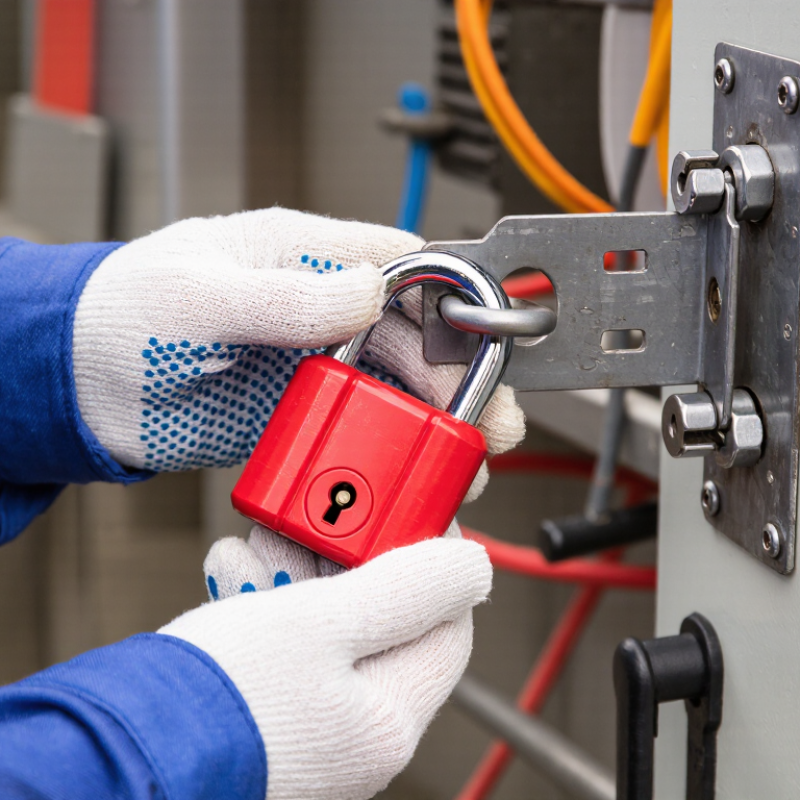
A Safety Padlock is a small device with a demanding job: it helps keep hazardous equipment isolated while maintenance is underway. Picture a technician at a control panel, attaching a uniquely keyed padlock before reaching inside a machine. That visible barrier matters. But a lock works only as part of a complete lockout/tagout procedure, supported by training, clear identification, and verification that energy has been controlled.
OSHA estimates that effective lockout/tagout practices prevent 120 fatalities and 50,000 injuries each year in the United States. The agency’s standard, 29 CFR 1910.147, also requires employers to provide devices that are durable, standardized, and identifiable. These figures underline the stakes, though they do not measure the impact of padlocks alone. A product cannot replace a procedure.
For a reliable introduction, expert quotations should be checked against a primary source. I could not verify a named Safety Padlock industry specialist’s exact quotation, so I won’t invent one. OSHA’s standard offers a practical benchmark instead: lockout devices must be “durable, standardized, and substantial.” In the workplace, that means checking the key system, label, shackle, and fit before the lock reaches a machine. Small details matter. And a lock left unused cannot protect anyone.
What Is a Safety Padlock?
A safety padlock is a personal lock used to keep an energy-isolating device in a safe, off position during maintenance. It forms part of a lockout/tagout (LOTO) process, not a replacement for the full procedure. A worker might attach one to a breaker hasp or valve lockout and retain its key. The lock signals that equipment must not be restarted while work is underway. That matters.
Unlike an ordinary security padlock, a safety model is typically chosen for controlled key access, clear identification, and workplace conditions such as oil, dust, or moisture. Many programs assign a lock to each authorized worker, who applies and removes it according to site procedures. A tag may show a name or warning, but color alone does not prove isolation. Not by itself.
OSHA estimates that effective lockout/tagout practices can prevent 120 fatalities and 50,000 injuries each year. That estimate highlights the responsibility carried by a small device. Still, a padlock cannot confirm that every energy source is isolated. Workers must identify and isolate energy, release stored energy, and verify the equipment is safe before work begins. Missed secondary circuits or trapped pressure can complicate the process, so procedures deserve regular review.
Why Choose a Safety Padlock for Workplace Safety? - What Is a Safety Padlock?
| Feature or Consideration | What It Means | Why It Matters at Work |
| Purpose | A safety padlock is a lockout device used to help secure an energy-isolating device in a safe position during servicing or maintenance. | It helps prevent equipment from being re-energized while employees are exposed to hazardous energy, as part of an employer’s lockout/tagout (LOTO) program. |
| Personal control | In group lockout procedures, each authorized employee generally applies their own lock to the group lockout device or lockbox, following the employer’s procedure. | Personal locks help ensure that equipment is not returned to service until the employees protected by those locks have removed them in accordance with the procedure. |
| Key control | Safety padlocks are commonly assigned to individual workers and managed under site rules. Key-retaining features vary by product. | Controlled key access supports accountability. Workers should follow the site’s rules for issuing, storing, and replacing keys. |
| Identification | A lock can be identified with an employee’s name, photo, department, or other information permitted by the site’s policy. | Clear identification helps workers and supervisors determine who applied a lock. OSHA requires lockout devices to be identifiable; the exact identification method can depend on the workplace program. |
| Standardization | Employers establish consistent requirements for lockout devices, which may include a uniform appearance, use, and identification method. | Consistency makes devices easier to recognize and use correctly. OSHA requires lockout devices to be standardized within the facility, department, or similar area, as applicable. |
| Durability and strength | Lockout devices must be durable and substantial enough for the conditions and purpose for which they are used. | A suitable device is less likely to fail or be removed accidentally during normal work. Selection should account for the environment and the equipment being isolated. |
| Color coding | Workplaces may use colors to distinguish departments, roles, or lockout functions under their own procedures. | Color can support quick recognition, but OSHA does not prescribe one universal color for safety padlocks. A written site standard helps avoid confusion. |
| Correct application | A padlock must be used on a suitable energy-isolating device and in accordance with the machine-specific energy-control procedure. | A lock alone does not isolate every hazard. Procedures may also require shutdown, isolation of energy sources, dissipation or restraint of stored energy, and verification before work begins. |
| Lockout versus tagout | Lockout physically restrains an energy-isolating device. Tagout uses a warning tag and may have different requirements where lockout is not possible. | Where an energy-isolating device can be locked out, OSHA generally requires lockout unless an exception applies. A tag is a warning device and does not provide the physical restraint of a lock. |
| Appropriate use | Safety padlocks are intended for workplace energy-control procedures, not as general-purpose security locks. | Using them only for their designated purpose helps maintain a clear, consistent LOTO system and supports compliance with the employer’s procedures. |
Important: This table is general information, not a substitute for applicable regulations, training, or an employer’s written energy-control procedures. Requirements can vary by jurisdiction and work activity.
How Safety Padlocks Help Control Workplace Hazards
Why Choose a Safety Padlock for Workplace Safety?
How Safety Padlocks Help Control Workplace Hazards
During maintenance, a machine can restart without warning. A safety padlock helps keep its energy-isolating switch or valve secured while work is underway. Each authorized worker should apply their own lock, so equipment cannot be returned to service until everyone is clear. OSHA estimates that proper lockout/tagout practices prevent about 120 fatalities and 50,000 injuries each year. A padlock alone is not enough, though. Workers need clear procedures, suitable isolation devices, and training for the specific equipment.
Good control depends on details. A clearly identified lock helps workers see who applied it and why. Different lock colors may help distinguish teams, but color should not replace readable labels or a controlled key system. Check locks for damage, and make sure they suit the environment, such as a damp washdown area. In practice, rushed shift changes can leave people uncertain about who still has a lock in place. That is a warning sign, not a paperwork problem to ignore.
Tips: Before work starts, identify every energy source. Apply and verify isolation, then test that the equipment cannot operate. Keep keys with the person who applied each lock. If a step feels unclear, pause and check the site procedure. A small delay is safer than a guess.
Why Choose a Safety Padlock for Workplace Safety?
How safety padlocks help control workplace hazards through lockout/tagout (LOTO).
OSHA estimates that compliance with its lockout/tagout standard prevents about 50,000 workplace injuries each year in the United States. Safety padlocks help keep machinery isolated from hazardous energy during servicing. This estimate relates to the LOTO standard as a whole, not to padlocks alone. Source: OSHA
Which Features Make a Safety Padlock Suitable for Your Workplace?
Why Choose a Safety Padlock for Workplace Safety?
Which Features Make a Safety Padlock Suitable for Your Workplace?
A suitable safety padlock should match the equipment, hazards, and lockout procedure—not just look sturdy. OSHA estimates that effective lockout/tagout practices prevent about 120 fatalities and 50,000 injuries each year. These figures show why dependable energy isolation matters, though they are not measurements of padlock performance alone. Source: OSHA, Control of Hazardous Energy (Lockout/Tagout), Publication 3120.
Check the shackle’s material and clearance against the machine’s isolation point. A long shackle may reach a recessed valve, but it can create awkward handling in a tight panel. For wet or corrosive areas, choose materials suited to the exposure and inspect them for wear. Each worker should be able to identify and operate their own lock; clear colors and durable labels help prevent mix-ups. Key control matters, too. A lock that opens with another worker’s key defeats individual control. Fit matters.
Tips: Test the lock at the actual isolation point before purchasing in quantity. Wear your usual gloves. Check that the body, shackle, and label remain usable after routine cleaning. No single specification fits every site, and teams sometimes overlook cramped access or faded labels during selection.
How to Choose the Right Safety Padlock for Each Application
Why Choose a Safety Padlock for Workplace Safety?
How to Choose the Right Safety Padlock for Each Application
Choosing a safety padlock starts with the hazard and the lockout point, not color alone. Check the equipment, energy source, work environment, and available hasp or isolation point.
OSHA estimates that effective lockout/tagout programs prevent about 120 fatalities and 50,000 injuries each year. These figures relate to lockout/tagout programs overall, not padlocks by themselves. The OSHA standard also calls for lockout devices to be durable, standardized, substantial, and identifiable.
Fit matters. A shackle that is too short may not pass through the hasp; one that is too long may leave room for tampering.
Match the padlock to the task. For wet, dusty, or corrosive areas, review the manufacturer’s material and environmental specifications. For electrical work, assess whether a nonconductive body or shackle is appropriate for the specific hazard.
In shared maintenance, a hasp can allow each worker to apply a personal lock; keep each key under its owner’s control. That detail matters. It is easy to focus on color coding and miss key control, but color alone does not prevent access.
OSHA’s Control of Hazardous Energy guidance is a useful reference when evaluating procedures. Check that the lock is clearly identifiable, fits the isolation point, and works with the site’s documented lockout process. A quick fit test at the actual valve or breaker can reveal awkward clearance before maintenance begins.
How to Use and Maintain Safety Padlocks in Lockout/Tagout Procedures
Why Choose a Safety Padlock for Workplace Safety?
A safety padlock helps keep an isolated machine from being restarted while maintenance is underway. Use it within your site’s lockout/tagout procedure, not as a substitute for that procedure. Identify every energy source, shut down equipment, and apply your personal lock to the designated isolation point. Attach a clear tag with your name and work details. Then verify the equipment cannot start, following the site’s approved method. Never rely on a control switch alone. In a noisy workshop, a tag can be easy to miss, so check that it is visible.
Tips: Keep the key with you. Don’t lend your lock or remove another worker’s lock. If a step feels repetitive, pause anyway; routine is not proof that stored energy is gone.
Before each use, check the lock body, shackle, and key action. Look for cracks, bending, corrosion, or a lock that sticks. Make sure the identification remains readable. Remove damaged locks from service and follow your site’s replacement process. Keep locks clean and dry, and store them where they will not collect metal dust or get mixed with ordinary locks. Follow the lock maker’s care instructions. A small flaw may seem harmless, but it can undermine confidence in the isolation process.
