Choosing a Mist Sprinkler System is not simply a matter of buying the smallest nozzle or the finest mist. The correct system must match your climate, water pressure, planting layout, and maintenance capacity. A greenhouse with delicate seedlings needs different coverage than a patio cooled during a dry afternoon. Walk the site first. Notice wind direction, shaded corners, drainage, and nearby electrical equipment.
Dr. Robert G. Evans, an agricultural irrigation engineer, offers a practical principle: “Efficient irrigation begins by matching water delivery to the crop and the site.” That idea remains useful when comparing nozzle size, flow rate, filtration, pump capacity, and control options. Fine mist can reduce leaf temperature, but excessive moisture may encourage fungal problems. Pressure that is too low creates large droplets and uneven coverage. Pressure that is too high can produce drift. Small details matter.
A dependable Mist Sprinkler System should provide uniform distribution without wasting water. Check whether the manufacturer publishes flow data, operating pressure, cleaning procedures, and replacement-part availability. A filter is often essential, especially where water contains sediment. Automatic timers can improve consistency, although they cannot correct a poorly designed layout. That is an uncomfortable truth.
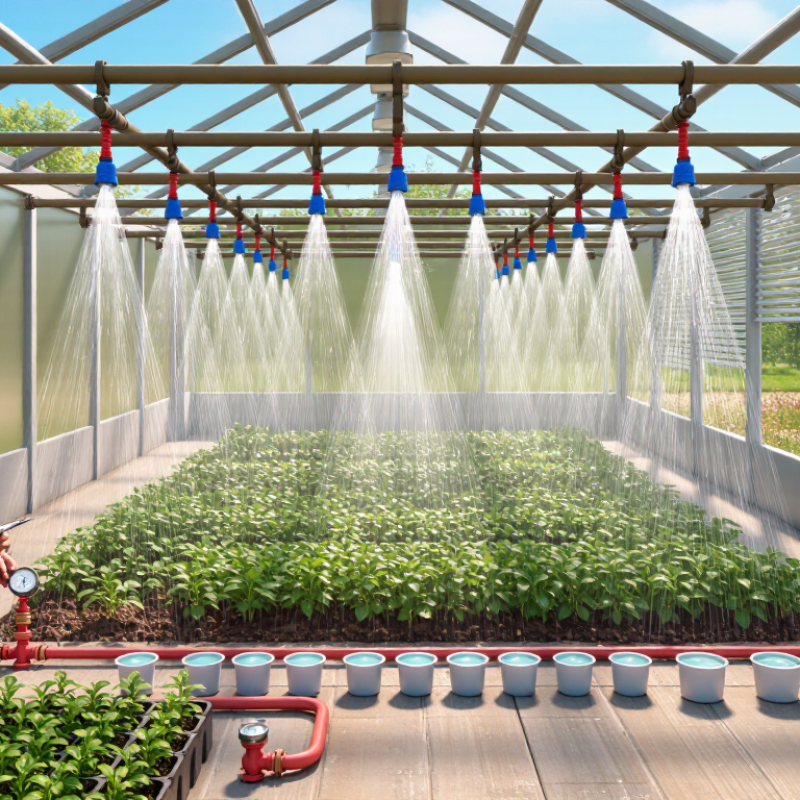
Experience also changes the decision. A system may look perfect during installation, then clog after several weeks. Test one zone before expanding the network. Measure wetting patterns with simple collection cups. Recheck performance after windy days. The final choice should balance cooling, irrigation, durability, energy use, and hands-on maintenance. There is no universal winner.
Before choosing a mist sprinkler system, define its exact purpose. The system may cool an outdoor seating area, raise greenhouse humidity, reduce dust, or protect delicate plants. Each purpose requires different droplet sizes, operating pressure, and spray patterns. A cooling system may need rapid evaporation, while plant irrigation needs controlled moisture near the root zone.
Measure the coverage area instead of estimating it. Record the length, width, ceiling height, and any uneven sections. Note walls, screens, machinery, furniture, and nearby electrical equipment. Wind can carry fine mist away from the target, especially in open spaces. A simple scaled drawing can show where nozzles should be placed. Small tests help. They also reveal weak coverage and unwanted wet spots.
A common mistake is selecting enough nozzles for the total area without studying its shape. A narrow corner may need a different layout from a wide, exposed section. I would check water flow, pressure stability, drainage, and access for cleaning before finalizing the design. Filters and regular nozzle inspections support dependable performance. The first layout may be wrong. Recheck it during actual operating conditions, preferably at the warmest or driest time of use. Follow applicable local requirements for water connections, backflow protection, and electrical safety.
How to Choose a Mist Sprinkler System?
Compare Nozzle Types, Spray Patterns, and Water Distribution
A mist sprinkler is not chosen by droplet size alone. Nozzle geometry controls coverage, drift, and cooling performance. Hollow-cone nozzles create a ring-shaped spray, leaving less water near the center. Full-cone nozzles fill the center more evenly, but may use more water. Flat-fan nozzles produce a narrow strip and suit edges or linear planting beds. Fine mist looks attractive. Yet wind can carry it beyond the target.
Spray pattern should match the layout, not the other way around. For a square bed, overlapping circular patterns usually reduce dry corners. For a narrow greenhouse row, fan patterns can limit overspray on paths. Place nozzles at a consistent height and check their effective radius under working pressure. Pressure that is too low causes uneven droplets. Excessive pressure increases drift and fogging. A fine filter is usually essential because tiny openings clog easily. Use a pressure regulator when supply pressure changes during the day.
Water distribution needs testing, not guesswork. Set shallow catch cups across the spray area and run the system for several minutes. Compare water depth, especially at corners and downwind edges. A small difference may reveal poor spacing or a partially blocked nozzle. Check valves help prevent draining after shutdown, which can leave the first plants dry. One practical mistake is judging coverage by visible mist alone. It looks uniform. But the soil may disagree. Recheck after wind, seasonal pressure changes, and nozzle wear. No layout stays perfect forever.
Water pressure and flow rate determine whether a mist sprinkler system performs evenly. Start by measuring pressure at the water source with a reliable gauge. Check it while other fixtures operate. Static pressure can look impressive, yet dynamic pressure may drop sharply. That difference matters.
List every nozzle and record its rated flow. Multiply the flow of one nozzle by the total nozzle count. For example, twelve nozzles using 0.4 gallons per minute require 4.8 gallons per minute. Add demand from valves, filters, and other outlets. A practical design margin of 15–20% helps handle minor losses. It is useful, not universal.
System capacity must match both pressure and flow at the same time. A pump rated for high pressure may deliver too little water under load. Include pipe friction, filter resistance, valve loss, and elevation changes. Every foot of rise reduces pressure by about 0.433 psi. A bucket test can confirm actual flow, but it should not replace pressure testing. Measure it twice.
Choose equipment that meets the calculated operating point, not its highest advertised number. Leave room for clogged filters, seasonal supply changes, and aging pipes. I have seen systems fail because designers trusted source pressure alone. The calculation may still need adjustment after installation. Check the farthest nozzle first. Uneven mist often reveals an overlooked pressure loss.
Choosing a mist sprinkler system starts with compatibility, not nozzle count. Measure the growing area, water source, and pressure at the farthest line. Fine mist nozzles need steady pressure; weak pumps create uneven droplets and dry corners. Use pressure-rated pipes with matching internal diameters. Oversized lines may reduce velocity, while narrow lines increase friction and noise. A simple pressure test often reveals more than a catalog chart.
Select the pump according to flow rate, operating pressure, elevation, and active zones. A pump that looks powerful on paper may fail when filters become dirty. Install a sediment filter before delicate nozzles, and choose its mesh size carefully. Water with minerals needs extra attention. Add a flush point at the line end, because trapped particles can block several nozzles. Keep unions accessible for cleaning. I learned this late.
Control components should match the pump, valves, sensors, and power supply. Choose a controller with adjustable cycles, pressure protection, and zone control. Moisture or temperature sensors can reduce waste, but they need correct placement. Keep them away from direct spray and reflective walls. Test each zone while observing pressure, droplet pattern, and runoff. A small leak is easy to ignore. That is a mistake. Record actual readings after installation, then adjust schedules as weather and plant demand change.
How to Choose a Mist Sprinkler System?
Installation needs should guide the system choice. Inspect the room size, ceiling height, water pressure, and available drainage. A narrow greenhouse may need fine, evenly spaced misting points. A larger workshop may require separate zones for better control. Measure twice. Retrofitting poorly placed pipes can create wet floors and uneven coverage. The controller should remain accessible, while tubing must avoid hot surfaces, sharp edges, and frequent foot traffic.
Maintenance affects reliability more than many buyers expect. Choose nozzles that can be removed and cleaned without special tools. Fine mineral particles may block small openings, especially when water quality is inconsistent. Add suitable filtration, then check pressure regularly. Record cleaning dates and replace damaged seals promptly. Energy use also matters. Timers, moisture sensors, and zone controls can reduce unnecessary spraying. However, sensors are not perfect. Dust, condensation, or poor placement may produce misleading readings.
Safety features deserve equal attention. Look for pressure regulation, automatic shutoff, secure connections, and backflow protection where appropriate. Wet surfaces can cause slips, so drainage and floor texture should be assessed before installation. Electrical controls need protection from spray and condensation. Keep service access clear, even if that slightly reduces visual neatness. A tidy installation is helpful, but safe maintenance access matters more. Local plumbing and electrical requirements should be verified by qualified professionals, because assumptions can fail on site.